The Owerri People: A Rich Tapestry of History and Culture
The Owerri people, a prominent Igbo subgroup and inhabitants of Imo State’s capital, boast a
complex and fascinating history that spans centuries. Their story is woven from the threads of
ancestral heritage, colonial legacy, and modern-day identity.
Ancient Origins: Ekwem Oha and Owerri Nchi Ise
According to legend, Owerri was founded by Ekwem Oha in the 14th century CE. A descendant of
Oha of Umuori Village in Uratta, Ekwem fled his home after a bitter dispute with his younger
brother, Ndumoha, over a traditional right. Settling on a hilltop one and half kilometer from the
withdrawal junction on MCC/URATTA road, Ekwem established the settlement of Ugwu Ekwema,
which would eventually become the city of Owerri. The five cardinal villages that make up Owerri
Nchi Ise (Owerri of Five Units) are:
-
- Umuororonjo
- Amawom
- Umuonyeche
- Umuodu
Umuoyima
Pre-Colonial Society: Republicanism, Art, and Culture
Pre-colonial Owerri society was characterized by a decentralized, republican system of
governance. The Oha Owere (Council of Elders) held significant power, mediating disputes and
preserving customary law. This system prioritized community consensus over centralized
authority.
The Owerri people are renowned for their vibrant art tradition, particularly the Mbari art form. These
elaborate, public art pieces are dedicated to the earth goddess, Ala, and her consort, Owu. Mbari
houses are constructed as large, open-sided shrines featuring intricate life-sized figures that
represent deities, ancestors, and social commentary.
The Oru Owere Festival is a significant annual celebration that marks peace and reconciliation.
During the festival, old yams and corn porridge are ritually roasted and consumed, symbolizing the
first meal Ekwem Oha ate upon arriving at his new settlement.
Colonial Transformation and Wartime Significance
The arrival of the British in the early 20th century transformed Owerri into a major administrative
center. The city’s strategic location made it a crucial hub during the Nigerian Civil War, and it
served as the final capital of the Republic of Biafra in 1969.
Modern Owerri: The Heartland Metropolis
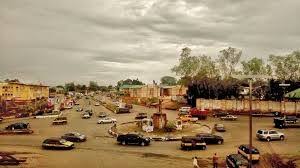
Today, Owerri is a thriving city and the capital of Imo State. Its rapid growth and development have
earned it the nickname “The Heartland.” The city is a major commercial and entertainment hub in
southeastern Nigeria, known for its rich culture, delicious cuisine, and vibrant arts scene.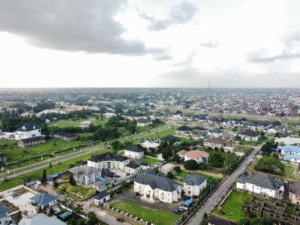
Cultural Heritage
Owerri’s cultural heritage is reflected in its:
- Arts and Entertainment: The city is home to numerous art galleries, theaters, and cultural
festivals. - Education: Owerri is a major educational hub, hosting institutions like the Federal University of
Technology Owerri (FUTO) and Imo State University(IMSU), Alvan Ikoku College of Education(AICE).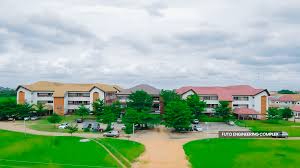
- Cuisine: Ofe Owerri (Owerri Soup) is a beloved dish known for its complex and expensive array of
ingredients served in homes, events, restaurants at home and abroad.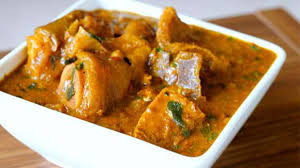
- Sports: The city is proud of its football club, Heartland F.C.
- Religious Landscape
Christianity is the dominant faith in Owerri, with strong adherence to Catholicism and Anglicanism.
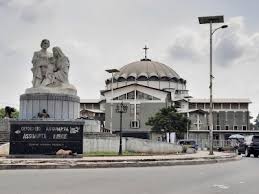
The city is home to the impressive Assumpta Cathedral, which serves as the administrative center
for the Roman Catholic Archdiocese of Owerri.
In conclusion, the Owerri people have a rich and complex history that spans centuries. From their
ancient origins to their modern-day identity, their story is a testament to the resilience and
creativity of the Igbo people.